
Planning · Adi Kailash
Best Time for the Adi Kailash Yatra: Month-by-Month Guide
ByHimanshu, Founder· Pithoragarh ·
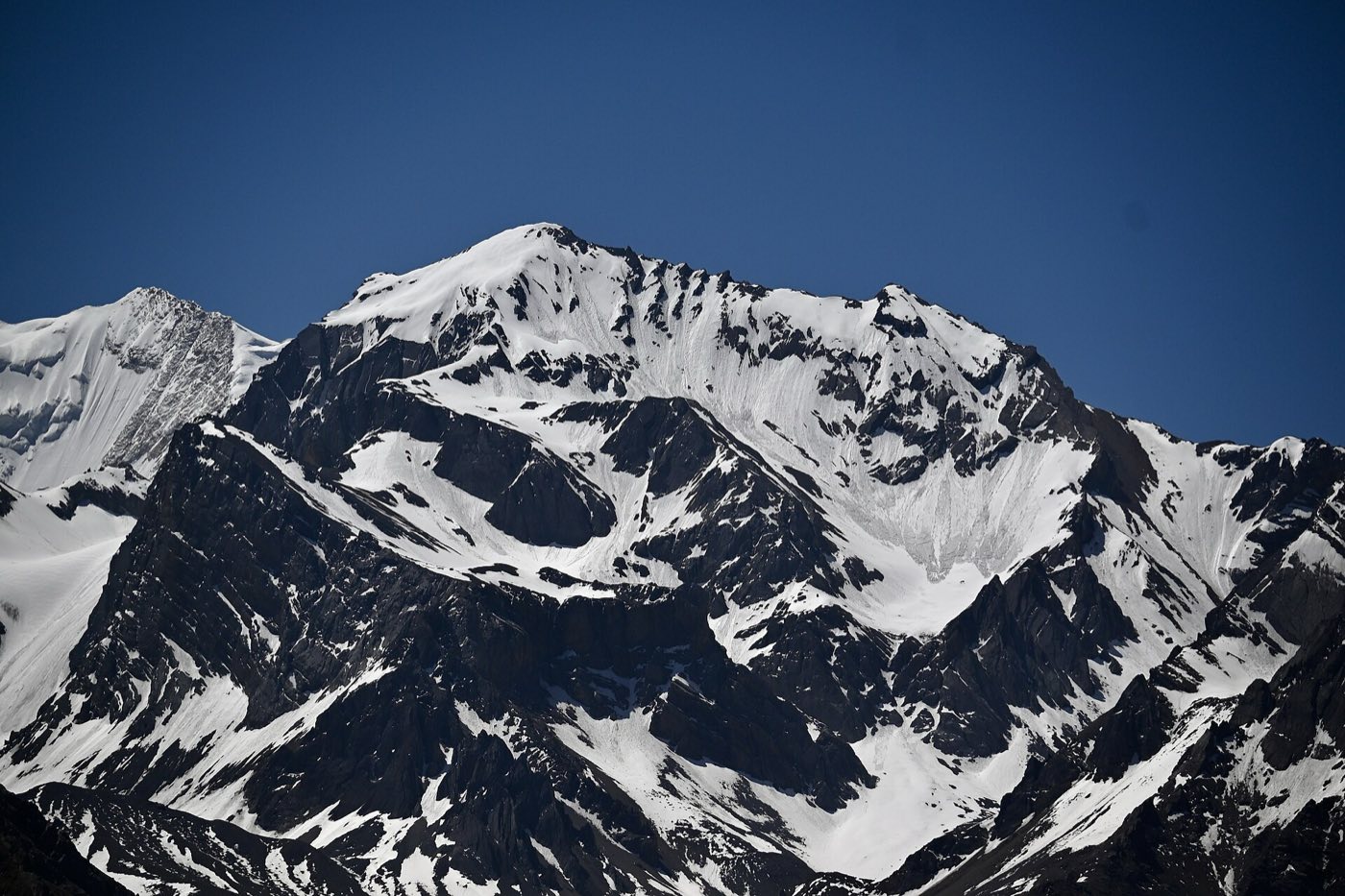
The Adi Kailash route is open roughly from May to October. Within that window, two seasons stand out — and one is best avoided.
The short answer
- May–June: the classic pre-monsoon window — long days, snow still on the peaks, all facilities open
- September–October: the post-monsoon window — the clearest skies of the year and the best mountain views
- July–August (monsoon): avoid — landslide-prone roads in the valley, long unpredictable delays
- November–April: route closed by snow
Month by month
May
The route opens as snow clears. Streams are full, peaks are heavily snow-clad, and the ॐ on Om Parvat is at its boldest. Days at the darshan points run roughly 5–12°C; nights at Gunji are cold (around or below freezing); pack proper warm layers.
June
The most popular month — warmest travel conditions and stable roads before the rains. Expect around 8–15°C by day at the top, with Gunji nights still near freezing. Book early; departures fill fastest in June.
July–August
Monsoon reaches the Kali valley. The road between Tawaghat and Gunji sees frequent landslides; itineraries can stall for days. We generally do not run fixed departures in peak monsoon — if dates in this window appear in our calendar, they come with an honest weather caveat on WhatsApp.
September
Rains withdraw, the air washes clean, and visibility is at its yearly best. For photography, September is unmatched.
October
Crisp, cold, and quiet. The last departures of the season run in early–mid October before snow closes the high valley. If you are checking the Adi Kailash temperature in October: roughly 2–10°C by day at Jolingkong and Nabhidhang, around freezing after dark at Gunji, and colder still up at the darshan points overnight. The October photos in our galleries were shot in exactly this weather — clear, sharp, and cold.
Which window is right for you?
- First yatra / seniors in the group: June or September — the gentlest conditions
- Photographers: September–October for clarity, May for maximum snow
- Escaping the crowds: October, the quietest weeks of the season
A note on the ॐ darshan
The ॐ formation on Om Parvat is snow held in rock channels — it is most defined when recent snow has fallen and the sky is clear. May–June and September–October both offer good odds; monsoon cloud can hide the face entirely for days.
Whichever month you choose, final road and weather conditions are confirmed on WhatsApp in the days before departure — mountain honesty beats marketing.
Want help planning this? Talk to us directly.
Chat on WhatsApp