
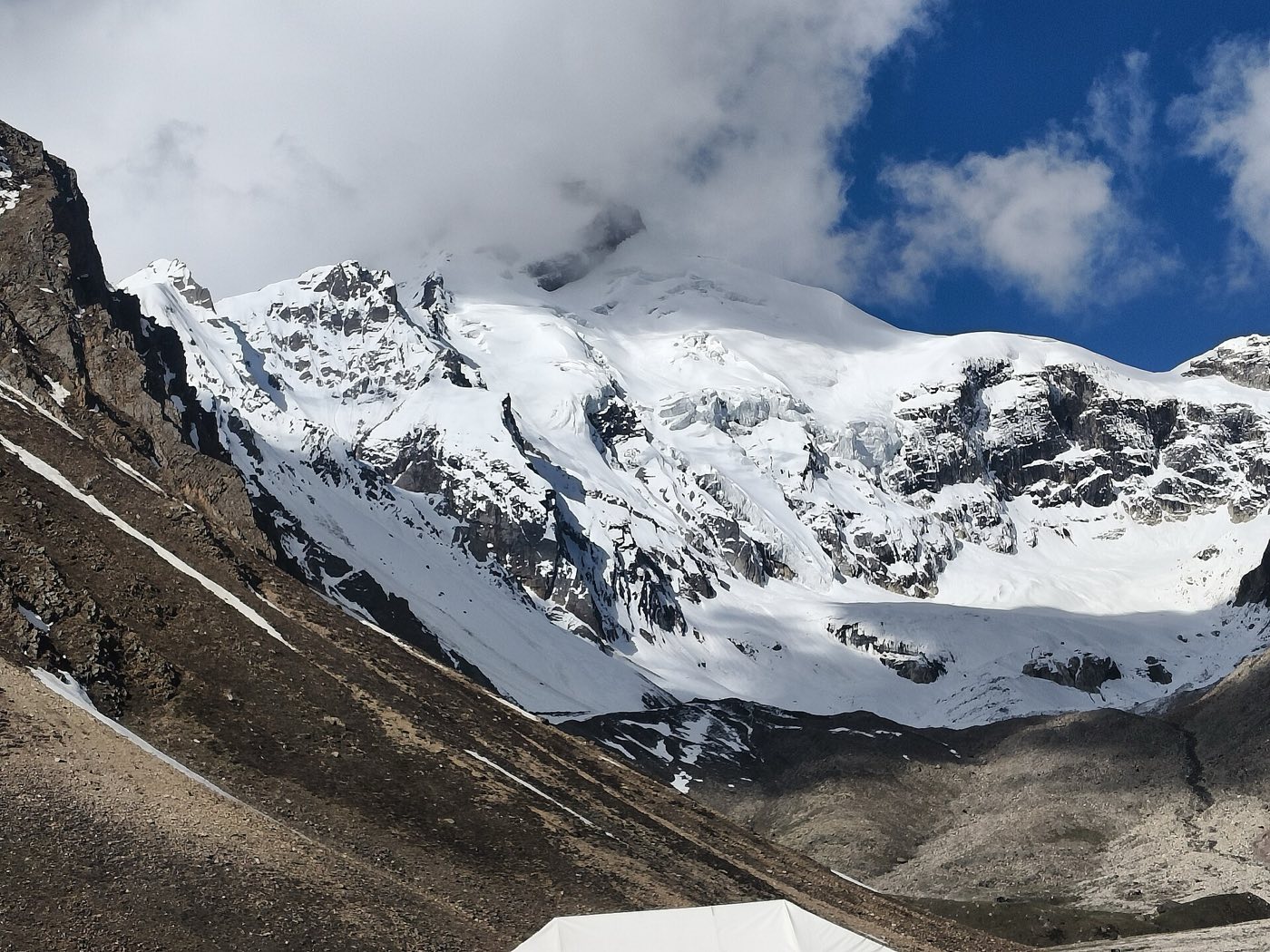
Adi Kailash Yatra 2026 — the complete guide
Routes, real costs, the Adi Kailash permit, months, and preparation — written by the Pithoragarh-based team that runs the Vyas Valley all season.
- Peak
- 5,945 m
- Highest darshan point
- 4,572 m
- Duration
- 4–8 days
- Season
- May–Oct
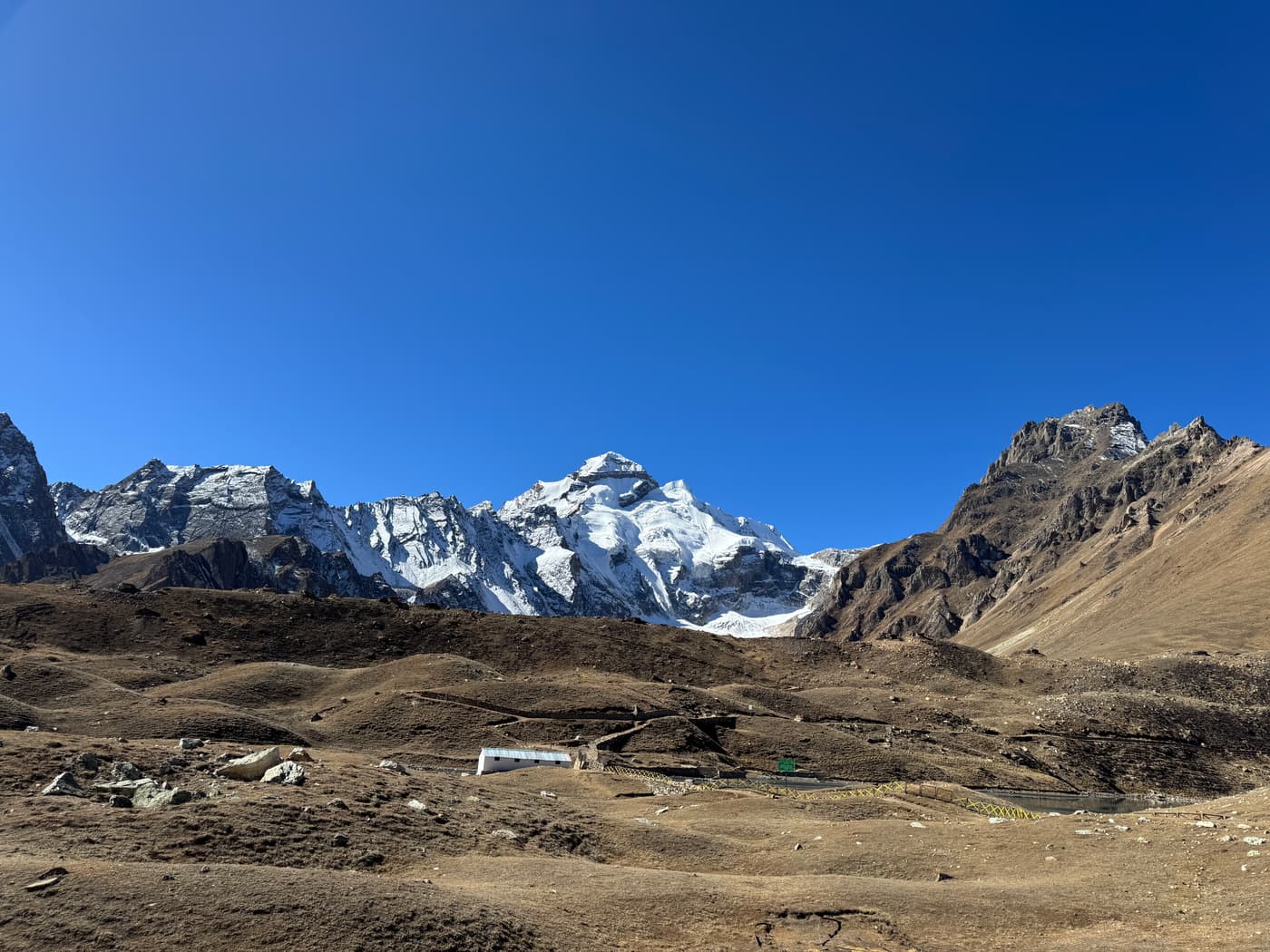
In the far north-east corner of Uttarakhand, where the Kali river marks the border with Nepal, the Vyas Valley climbs to a peak that mirrors Mount Kailash so closely that tradition names it Adi Kailash — the original Kailash. Counted among the Panch Kailash, it is the centre of a yatra that pairs two darshans in one journey: the peak itself above the Parvati Sarovar at Jolingkong, and Om Parvat, where snow settles in the shape of ॐ on the mountain face.
Unlike Kailash Mansarovar, this yatra lies entirely within India — no passport, no visa, a fraction of the cost — and it is vehicle-based: 4x4s reach both darshan points, with only short walks at the sites. What it does demand is altitude respect. The route crosses 4,500 m, and the difference between a joyful yatra and a miserable one is almost always the acclimatisation day at Gunji.
The sacred sights of the route
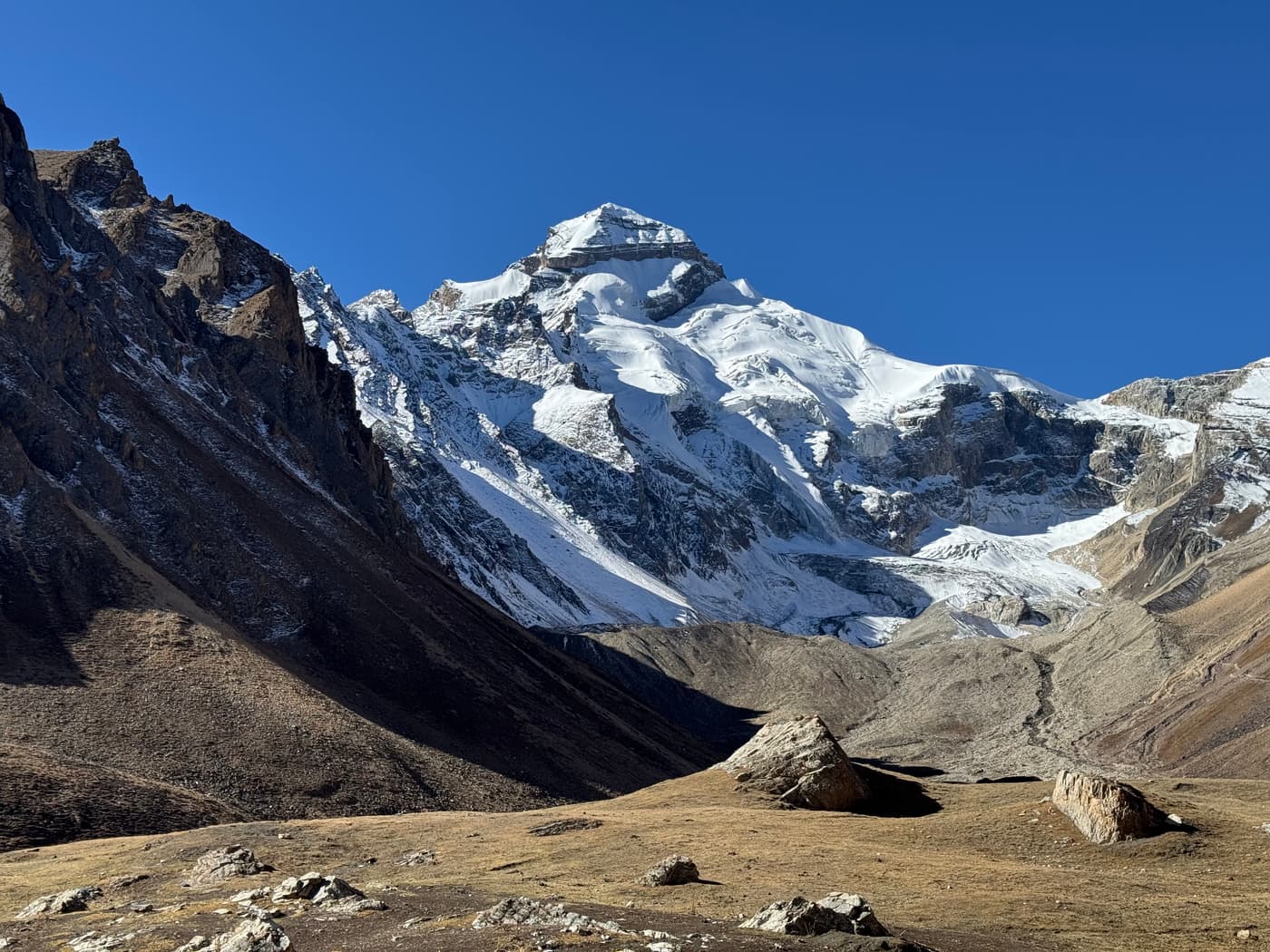
Kalapani — Kali temple ~3,600 m
Source of the Kali river, with the ITBP-maintained Kali temple — the traditional first darshan of the high valley, on the road up to Nabhidhang.
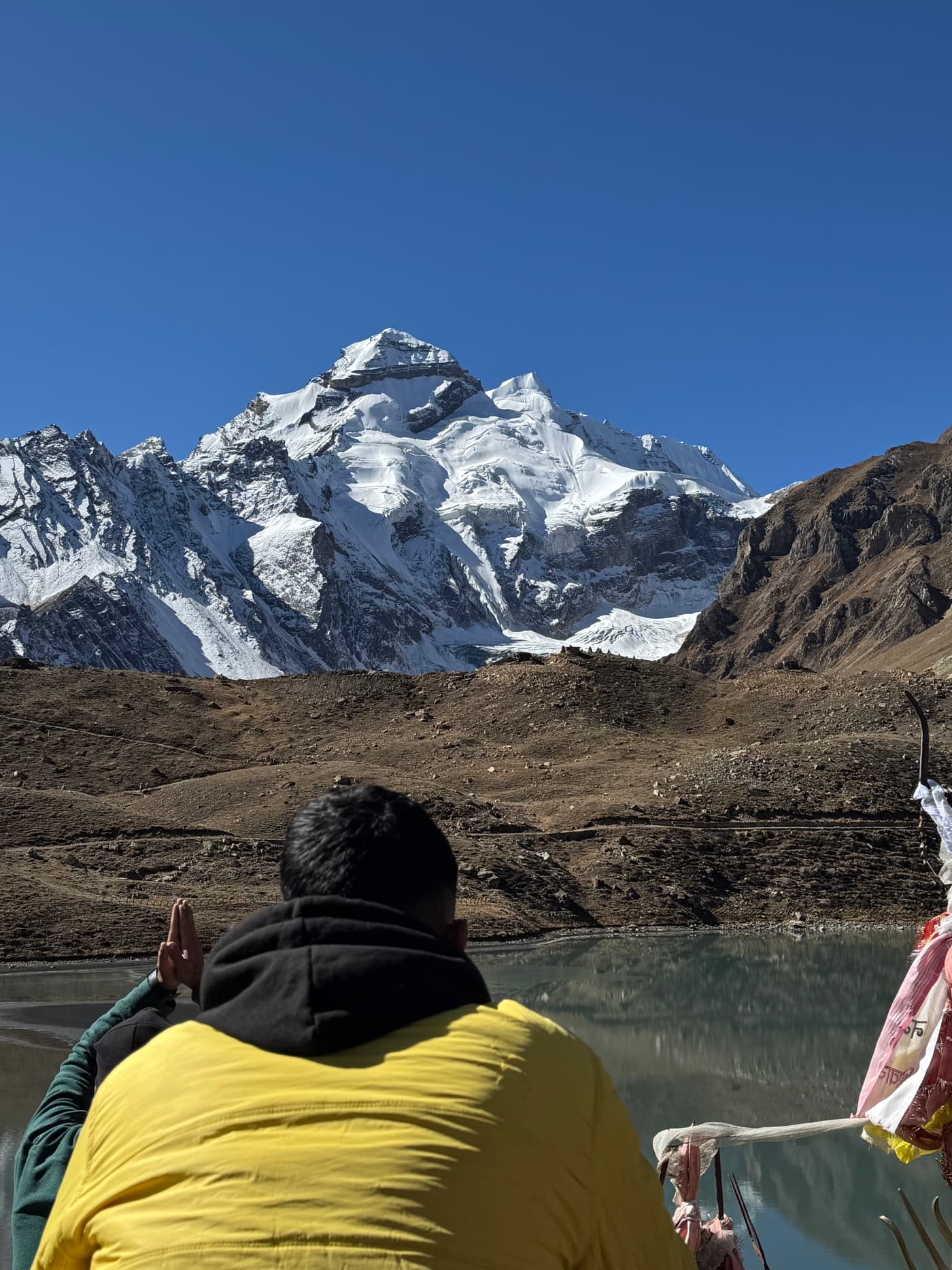
Adi Kailash & Parvati Sarovar Jolingkong, ~4,572 m
The Chhota Kailash itself, mirrored in the sacred Parvati Sarovar beside the small Shiva temple at Jolingkong — the heart of the yatra.
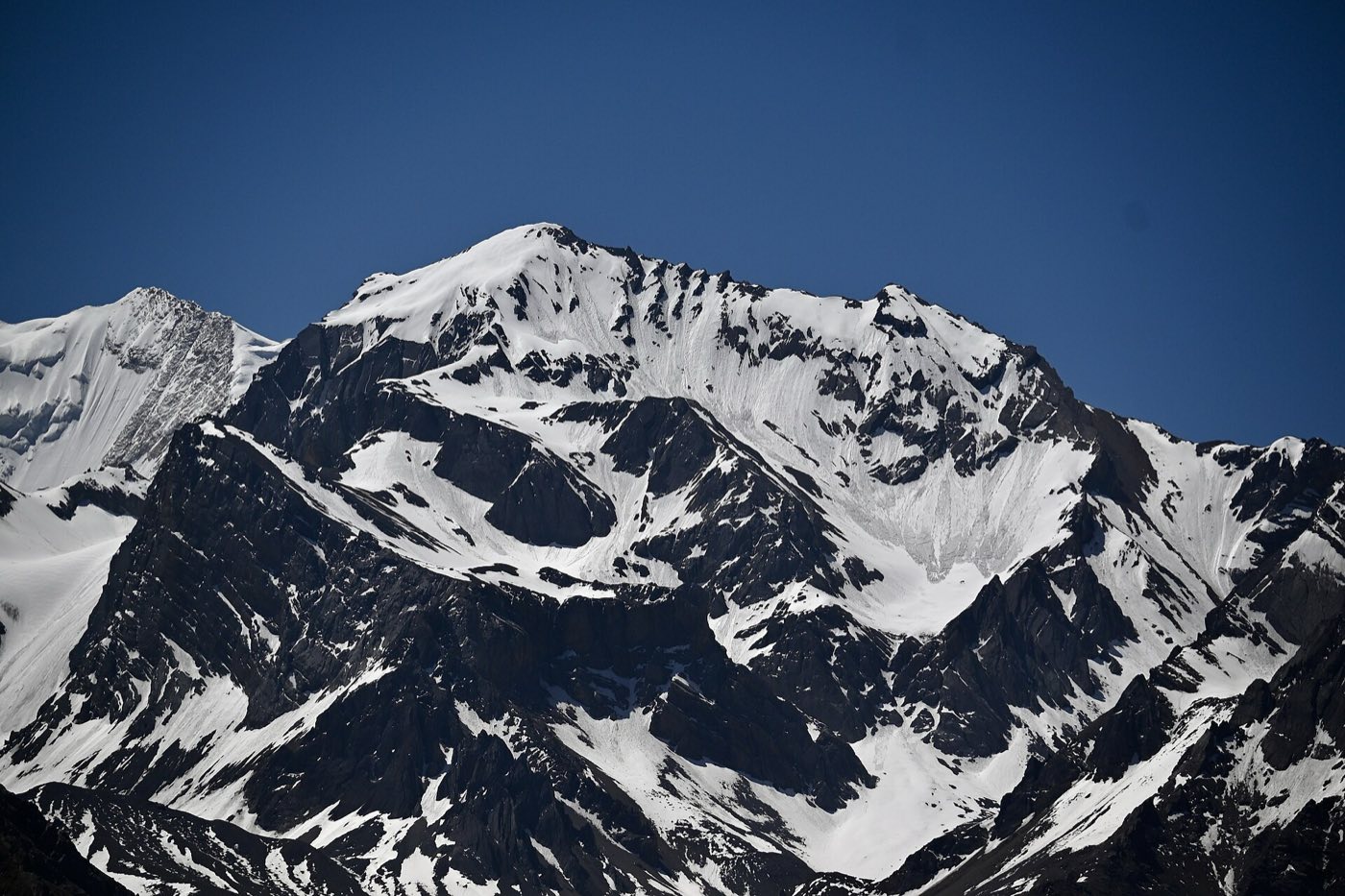
Om Parvat Nabhidhang, ~4,340 m
The mountain face where snow settles naturally in the form of ॐ — one of the most extraordinary sights anywhere in the Himalaya.
Gunji village ~3,200 m
The Vyas Valley’s Rung heritage village and every sensible itinerary’s base — where our 7-day routes hold their full acclimatisation day.
Choose your route
Four ways to do the same sacred circuit — the difference is where you board and how many days you can give it.
| Route | Departs | Days | From | Best for |
|---|---|---|---|---|
| Adi Kailash & Om Parvat Spiritual Yatra | Pithoragarh | 7 | ₹36,000 | The classic — full acclimatisation, closest start |
| Adi Kailash & Om Parvat Yatra (Via Kathgodam) | Kathgodam Railway Station | 7 | ₹34,500 | Best if you arrive by overnight train |
| Adi Kailash & Om Parvat Yatra with Patal Bhuvaneshwar (Ex-Delhi) | Delhi | 8 | ₹37,500 | Door-to-door, plus the Patal Bhuvaneshwar temple circuit |
| Adi Kailash Darshan Express (Ex-Dharchula) | Dharchula | 4 | ₹16,500 | Shortest & lightest on the pocket; fit travellers only |
Find your route in 20 seconds
Answer the three questions we ask on every call, and we’ll point you to the route we would honestly recommend.
Adi Kailash vs Kailash Mansarovar
The question every first-time yatri asks. Both are sacred; only one fits inside a week's leave and an Aadhaar card.
| Adi Kailash (India) | Kailash Mansarovar (Tibet) | |
|---|---|---|
| Location | Uttarakhand, India (Vyas Valley, Pithoragarh) | Tibet, China |
| Passport / visa | Not needed — Aadhaar + Inner Line Permit | Passport + Chinese visa required |
| Typical cost | ₹16,500–₹37,500 per person | ₹1.8–3 lakh+ per person |
| Duration | 4–8 days | 10–15+ days |
| Highest point reached | Jolingkong ~4,572 m (darshan point) | Dolma La pass ~5,630 m (on parikrama) |
| Physical demand | Vehicle-based; short walks at darshan sites | Multi-day high-altitude trek (parikrama) |
| Season | May–June & September–October | May–September |
Plan it properly
Planning
How to Reach Adi Kailash from Delhi: Train, Road, Distance
The real route from Delhi to Adi Kailash — train vs road, a segment-by-segment distances table anchored to official figures, and why 8 days is the safe pace.
Planning
Adi Kailash Yatra from Kathgodam: Trains, Route, 7 Days
Which train reaches Kathgodam in time for the morning yatra pickup, where you sleep on the 7-day route, and when ex-Delhi is worth ₹3,000 more.
Planning
Adi Kailash Yatra 2026: Opening Date & Registration
The 2026 season opened 1 May. The post-monsoon route reopened on 18 September, once the Kulagad bridge was rebuilt after a washout delayed the 15 September plan. The date pattern, and how registration really works.
Planning
Char Dham Yatra Registration 2026: Step-by-Step Guide
Char Dham registration is free and mandatory for all four dhams. The 2026 portal steps, documents, offline counters, and what gets pilgrims turned back.
Planning
Adi Kailash vs Kailash Mansarovar: Which Should You Choose?
Adi Kailash and Kailash Mansarovar compared honestly — location, cost, permits, difficulty, and days — so you can pick the yatra that fits your family.
Planning
Adi Kailash Yatra Cost 2026: Honest Budget Breakdown
What the Adi Kailash & Om Parvat Yatra really costs in 2026 — prices by departure point, what is included, and the extras nobody tells you about.
Om Parvat
Om Parvat — Location, Story, Temperature & How to Reach
Where Om Parvat is, the story of the natural ॐ on its face, month-by-month temperature, and exactly how to reach the darshan point at Nabhidhang.
FAQ
Adi Kailash & Om Parvat Yatra: 15 Questions Every Yatri Asks
Direct answers to the questions we get every day about the Adi Kailash & Om Parvat Yatra — difficulty, altitude, permits, mobile network, food, stay, and more.
Planning
Best Time for the Adi Kailash Yatra: Month-by-Month Guide
Month-by-month conditions on the Adi Kailash route — the two best windows, why monsoon is risky, and which season suits your group.
Preparation
Fitness & Altitude Preparation for the Adi Kailash Yatra
A practical 4-week preparation plan for the Adi Kailash Yatra — fitness targets, acclimatisation, and AMS symptoms to watch for.
Permits
Adi Kailash Permit 2026: Inner Line Permit & Documents
How the Adi Kailash and Om Parvat Inner Line Permit is issued in 2026: counter vs online, exact documents and formats, the fee, timelines, and who can get one.
Preparation
Adi Kailash Yatra Packing Checklist (Printable)
The complete packing list for the Adi Kailash & Om Parvat Yatra — clothing layers for 4,500 m, documents, medicines, and the small items yatris forget most often.
Adi Kailash Yatra FAQs
Is Adi Kailash the same as Kailash Mansarovar?
No. Adi Kailash (Chhota Kailash) is entirely in India, in the Vyas Valley of Pithoragarh district, Uttarakhand. It closely mirrors Mount Kailash in form and is sacred in its own right — but it needs no passport, no Chinese visa, costs a fraction as much, and takes half the days.
How much does the Adi Kailash Yatra cost in 2026?
Road packages across the market run roughly ₹12,000 (bare-bones ex-Dharchula) to ₹50,000+ (premium ex-Delhi). Our routes run ₹16,500–₹37,500 per person depending on the departure point, all with the Inner Line Permit and an honest safety structure included. Final quotes are confirmed on WhatsApp.
Do I need a permit, and can foreigners go?
Every yatri needs an Inner Line Permit (ILP), issued at the SDM office in Dharchula or at Pithoragarh — we file it for all our travellers. The route is open to Indian citizens; a foreign passport holder, OCI included, needs extra clearance from the administration, so message us before planning.
How fit do I need to be? Is there trekking?
The yatra is vehicle-based — 4x4s go to both darshan points, with only short walks at the sites. But the route crosses 4,300–4,600 m, so basic fitness and honest health disclosure are required. Our 7-day Kathgodam and Pithoragarh itineraries hold a dedicated acclimatisation day at Gunji; the ex-Delhi and Express routes trade it for a tighter schedule and are screened harder before booking.
When is the best time for the yatra?
May–June and September–October. The monsoon months (July–August) bring landslide-prone roads in the valley, and the route closes under snow from November to April. September offers the clearest skies of the year.
Which departure point should I choose?
Ex-Delhi if you want door-to-door travel and the Patal Bhuvaneshwar temple circuit on the return, ex-Kathgodam if you arrive by overnight train or want the Gunji rest day, ex-Pithoragarh for the classic full itinerary, and ex-Dharchula only if you are fit, experienced at altitude, and short on days. The comparison table on this page lays out all four.
Is mobile network available on the route?
Reliable up to Dharchula, patchy to absent beyond Tawaghat — BSNL occasionally works at Gunji. Plan for the darshan days to be offline and brief your family accordingly.
Can senior citizens do the Adi Kailash Yatra?
Yes — seniors complete it every season on well-paced itineraries. We set no upper age limit; it goes by health and the medical fitness certificate we require from every yatri. We carry pulse oximeters, and travellers above 65 should get a specific altitude clearance from their doctor. Anyone with a breathing condition such as asthma should not attempt this yatra. Choose a route with the acclimatisation day — the 7-day Kathgodam or Pithoragarh itineraries — never the short Express.
Permit questions answered in full, including documents, fee and timeline, in ourAdi Kailash permit guide.
Ready to plan your yatra?
Ask us anything — routes, dates, fitness, permits. The person answering runs the valley.
Chat on WhatsApp