
Preparation · Adi Kailash
Fitness & Altitude Preparation for the Adi Kailash Yatra
ByHimanshu, Founder· Pithoragarh ·
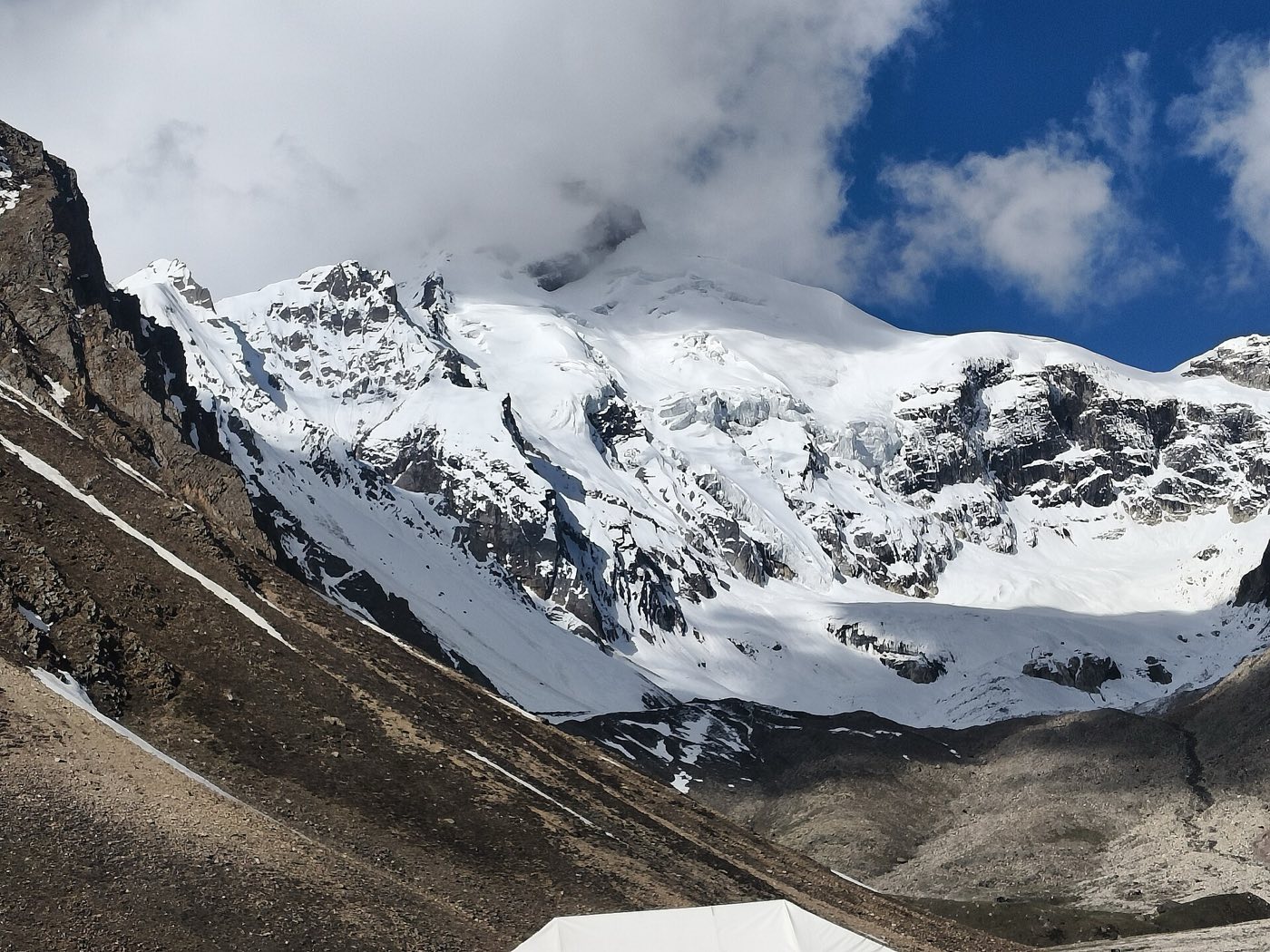
The Adi Kailash Yatra is vehicle-based — there is no multi-day trekking — but it spends two days above 4,300 m, and altitude does not care whether you arrived on foot or by 4x4. Sensible preparation makes the difference between a joyful darshan and a miserable headache at Jolingkong.
Understand the altitude profile
A typical 7-day itinerary looks like this:
| Stage | Altitude |
|---|---|
| Dharchula | ~915 m |
| Gunji (base for darshan days) | ~3,200 m |
| Kalapani | ~3,600 m |
| Nabhidhang (Om Parvat) | ~4,340 m |
| Jolingkong (Adi Kailash) | ~4,572 m |
The single most protective feature of a good itinerary is the acclimatisation day at Gunji before going higher. Treat any itinerary without one with suspicion.
Four weeks before: fitness targets
You do not need to be an athlete. Aim for:
- Walking: 45–60 minutes of brisk walking daily; add stairs or an incline twice a week
- Breathing: basic pranayama or slow deep-breathing practice, 10 minutes daily — genuinely useful at altitude
- Strength: bodyweight squats and lunges for the jeep days and short walks at darshan sites
If you can comfortably walk 5 km with a small daypack, you are fit enough for the vehicle-based yatra.
Who must see a doctor first
Consult a physician before booking if you have:
- Heart disease, uncontrolled blood pressure, or a history of stroke
- Asthma/COPD or any breathing condition
- Diabetes requiring insulin
- A previous episode of acute mountain sickness (AMS)
Bring your regular medicines in your daypack, not in checked luggage.
On the yatra: the rules that keep you safe
- Hydrate — 3–4 litres a day from Dharchula onwards; skip alcohol entirely
- Eat light, eat regularly — appetite drops at altitude; eat anyway
- Walk slowly at darshan sites; let the eldest set the pace
- Tell the escort immediately about headache, nausea, dizziness, or unusual breathlessness — AMS caught early is easy to manage, ignored it is dangerous
- Descend if symptoms worsen — no darshan is worth your life; the escort’s decision is final
Our vehicles carry a first-aid kit and pulse oximeter, and our escorts check SpO₂ readings at Gunji on request.
What AMS feels like
Mild AMS: headache, poor sleep, slight nausea — manageable with rest, fluids, and no further ascent that day. Serious warning signs: breathlessness at rest, confusion, a wet cough, or inability to walk straight — these mean immediate descent.
This guide is general information, not medical advice — your doctor knows your body best.
Want help planning this? Talk to us directly.
Chat on WhatsApp